Impounded Car Insurance Explained & Release Tips 2026
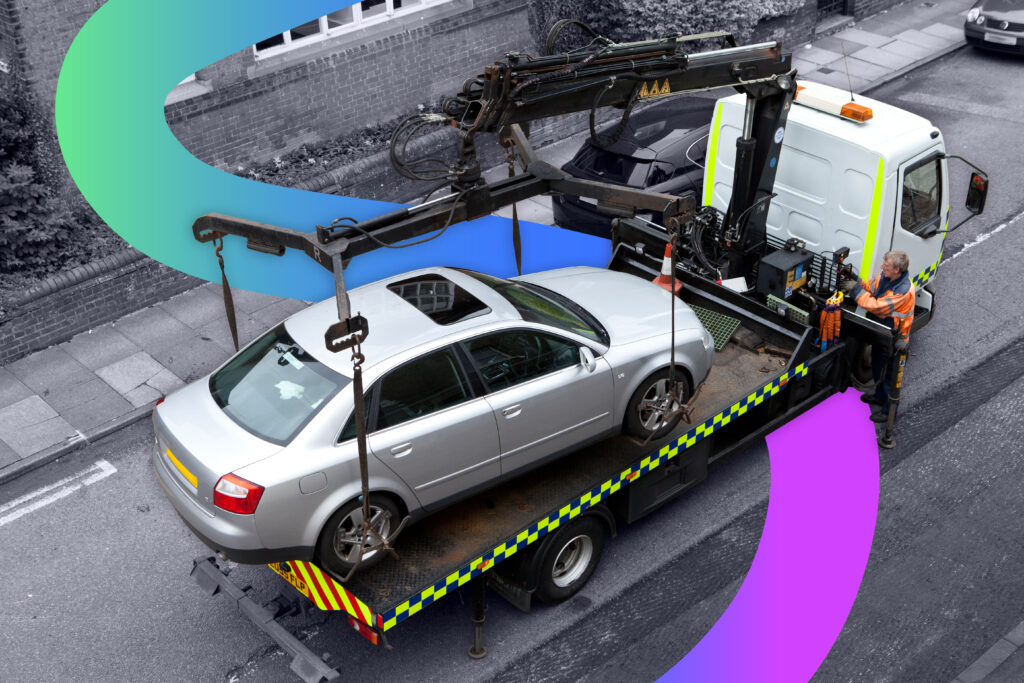
A seized or impounded car can be a stressful and costly experience. Beyond the immediate inconvenience, you'll likely face storage fees and potentially the need for specialized insurance to get your vehicle back. This guide will break down everything you need to know about impounded car insurance, why cars get seized, and the steps you can take to release your seized vehicle quickly in 2026.
Why Do Cars Get Impounded?
Understanding the reasons behind vehicle impoundment is the first step in preventing it and knowing how to navigate the process if it happens. Common reasons for a car to be seized by authorities include:
- Driving Under the Influence (DUI) or Driving While Intoxicated (DWI): This is one of the most common reasons for immediate impoundment. Law enforcement takes drunk or impaired driving very seriously due to the significant risk it poses to public safety.
- Driving Without a Valid License or with a Suspended/Revoked License: Operating a vehicle without the legal authorization is a serious offense. If your license is suspended or revoked, driving can lead to your car being impounded.
- Unpaid Fines and Warrants: Outstanding parking tickets, moving violations, or even criminal warrants tied to the vehicle owner can result in impoundment.
- Expired Registration or Lack of Insurance: Driving a vehicle that is not legally registered or insured is against the law in most jurisdictions. Authorities may seize such vehicles to prevent further illegal operation.
- Involvement in a Crime: If a vehicle is used in the commission of a crime, or if it is suspected of being stolen property, it can be impounded as evidence.
- Reckless Driving or Excessive Speeding: In some areas, extremely dangerous driving behavior can lead to the vehicle being impounded, especially if it's a repeat offense.
- Vehicle Modifications Violating Local Laws: Certain illegal modifications, such as excessive window tinting or non-compliant exhaust systems, could potentially lead to impoundment in some locales.
Statistics on Vehicle Impoundments
While exact national statistics for impoundments can vary by source and year, data consistently shows that traffic violations are the primary driver. For instance, reports from the National Highway Traffic Safety Administration (NHTSA) often highlight the prevalence of DUI offenses, with hundreds of thousands of arrests annually. Many of these arrests directly lead to vehicle impoundment. Furthermore, data from various state Departments of Motor Vehicles (DMVs) indicates a significant number of vehicles are impounded due to expired registrations or lack of insurance, underscoring the importance of legal compliance.
Understanding Impounded Car Insurance
When your car is impounded, you may need impounded car insurance to legally drive it again, or sometimes even to prove financial responsibility for its release. The requirement for this specific type of insurance depends heavily on the reason for the impoundment and the laws of the jurisdiction where the vehicle was seized.
What is Impounded Car Insurance?
Impounded car insurance is not a standalone, distinct type of insurance policy in the way that comprehensive or collision coverage is. Instead, it typically refers to:
- Proof of Insurance: You might need to provide evidence of current and valid car insurance to the impounding authority as a condition for releasing your vehicle. This demonstrates that you meet the legal requirement for financial responsibility.
- SR-22 Requirements: In many cases, especially for DUI/DWI offenses or if you've been driving without insurance, the court or DMV will mandate you to file an SR-22 certificate. This is not insurance itself but a document filed by your insurance company that guarantees you have the minimum required liability coverage. You'll need to obtain an insurance policy that is compliant with the SR-22 filing.
- Reinstatement Insurance: Sometimes, the process of releasing an impounded car involves reinstating a previously lapsed or canceled insurance policy, or obtaining a new one to meet legal requirements.
When is Impounded Car Insurance Required?
- Releasing the Vehicle: The most common scenario is needing to prove you have valid insurance before the impound lot will release your car. This is to ensure you can legally drive it off the lot and that you won't be driving uninsured.
- After a DUI/DWI Conviction: Following a DUI conviction, courts often order drivers to maintain SR-22 insurance for a specified period (e.g., 3-5 years) to prove they have the legal minimum liability coverage.
- Driving with Expired Insurance: If your car was impounded because it lacked valid insurance, you'll need to get it insured before it can be released.
- Reinstating a Suspended License: Often, a requirement to get a suspended driver's license reinstated includes showing proof of insurance, sometimes with an SR-22 filing.
How to Obtain Impounded Car Insurance:
Since impounded car insurance usually means meeting SR-22 filing requirements or proving current coverage, here's how you'd typically go about it:
- Contact Your Current Insurer: If you have an existing policy, reach out to your insurance provider. They can often add an SR-22 filing to your existing policy or help you secure the necessary coverage. However, be aware that having an SR-22 can increase your premiums.
- Shop Around: If your current insurer can't help or if you're looking for better rates, you'll need to shop around with other insurance companies. Be upfront about your SR-22 requirement, as not all companies offer this service.
- High-Risk Insurers: Companies that specialize in high-risk auto insurance are more likely to offer SR-22 filings. While rates might be higher, they are often your best option when other insurers decline.
- Get Quotes: Once you've found potential insurers, get multiple quotes to compare prices and coverage. Ensure the policy meets the minimum liability limits required by your state and the court order.
- File the SR-22: Once you purchase the policy, the insurance company will file the SR-22 certificate with your state's DMV on your behalf. This is a crucial step for license and vehicle reinstatement.
Steps to Release Your Seized Vehicle Quickly in 2026
The process of releasing an impounded vehicle can be complex, but being prepared and acting promptly can help speed things up. Here’s a breakdown of the typical steps involved:
Step 1: Identify the Reason for Impoundment and the Impounding Authority
Before you can do anything else, you need to know why your car was taken and who took it. Was it the police, a towing company contracted by the city, or a private tow from your property? Contacting the local police department or sheriff's office is usually the best starting point.
- Ask for Specifics: Get the exact location of the impound lot, the case or VIN number associated with the tow, and the registered owner's name.
- Confirm the Reason: Clearly understand the statutory violation that led to the impoundment.
Step 2: Contact the Impound Lot
Once you know where your car is, call the impound lot directly. They will have specific procedures and fees for releasing vehicles.
- Inquire About Fees: Ask for a detailed breakdown of the fees. This typically includes towing charges, daily storage fees (which accrue quickly!), and administrative costs.
- Ask About Required Documentation: The lot will tell you what you need to bring on the day of pickup.
Step 3: Gather Required Documentation
This is where impounded car insurance often comes into play. The specific documents required vary by jurisdiction and the reason for impoundment, but generally include:
- Proof of Ownership: This is usually your vehicle's title or registration. If you're not the registered owner, you'll need a notarized letter of authorization from the owner.
- Valid Photo ID: Your driver's license or other government-issued ID.
- Proof of Insurance: This is crucial. You will likely need to show proof of current, valid auto insurance that meets your state's minimum liability requirements. In many cases, particularly for DUI-related impounds, this means providing an SR-22 certificate filed by your insurer.
- Proof of Paid Fines/Fees: Evidence that you have settled any outstanding fines or fees related to the impoundment or the original offense.
- Release Order: Sometimes, you need a specific release order from the police department or court before the impound lot will hand over the vehicle.
Step 4: Secure Necessary Insurance (SR-22 if applicable)
As mentioned, if the impoundment was for a DUI/DWI or driving uninsured, you will almost certainly need an SR-22 filing. Obtaining this involves:
- Purchasing an auto insurance policy that meets your state's minimum liability requirements.
- Having your insurance provider file the SR-22 certificate with the DMV.
- Obtaining a copy of the filed SR-22 to present to the impounding authority or court.
Expert Quote: "Navigating the SR-22 requirement is often the most confusing part for individuals whose cars have been impounded," says Sarah Chen, an insurance analyst specializing in legal compliance. "It's essential to work with an insurer who understands these filings and can process them promptly to avoid further delays in recovering your vehicle."
Step 5: Pay All Fees and Impound Charges
Be prepared for these fees. Storage fees can add up significantly each day the vehicle remains at the lot. Check if the impound lot accepts various payment methods (cash, credit card, cashier's check).
Step 6: Pick Up Your Vehicle
Once you have all the necessary documentation, proof of payment, and have met any court or DMV requirements (like the SR-22), you can go to the impound lot to retrieve your car. Ensure you have a way to legally drive it off the lot (e.g., valid license, insurance).
Additional Tips for a Faster Release
- Act Immediately: Don't delay. The longer your car sits at the impound lot, the more storage fees you'll accumulate. Many jurisdictions have time limits for releasing vehicles, after which they can be auctioned.
- Understand Your State's Laws: Impoundment and release procedures vary significantly by state and even by city. Familiarize yourself with local regulations.
- Be Polite and Professional: Dealing with tow companies and law enforcement can be tense. Maintain a calm and respectful demeanor. This can sometimes smooth the process.
- Keep Records: Save all receipts, documents, and correspondence related to your impoundment and release. You may need them later.
- Consider Legal Counsel: For complex cases, especially those involving significant fines or legal entanglements, consulting with a traffic attorney might be beneficial.
How to Find Impound Lots and Information:
- Local Police/Sheriff's Department Websites: Many departments list impound procedures and sometimes provide contact information for local towing companies they work with.
- State Department of Motor Vehicles (DMV) or Equivalent: Your state's DMV website is an excellent resource for understanding licensing and insurance requirements, including SR-22 information.
- Online Search: Use search terms like "[Your City/County] impound lot" or "vehicle release [Your State]" to find relevant contacts.
External Resources for Impounded Vehicles
To help you navigate the process, here are some valuable external resources:
- NHTSA (National Highway Traffic Safety Administration): While not directly handling impoundments, NHTSA provides crucial information on traffic safety laws, including DUI prevention and penalties. Understanding these laws can help you comprehend the severity of offenses leading to impoundment.
- Your State's Department of Motor Vehicles (DMV/RMV): Your state's official DMV website is the definitive source for licensing, registration, insurance laws, and requirements like SR-22 filings.
(Example: Search for "[Your State] DMV" to find the correct website.)
- Local Law Enforcement Agency Websites: Police or sheriff department websites often have sections dedicated to traffic violations, towing policies, and impound procedures relevant to your specific area.
(Example: Search for "[Your City] Police Department traffic division".)
Frequently Asked Questions (FAQs)
Q1: How long can a car be impounded?
The duration a car can be impounded varies greatly. Some vehicles might be released within a day or two once all requirements are met, while others, especially those involved in legal cases or with significant unpaid fees, can be held for weeks or even months. If fees are not paid, vehicles can eventually be auctioned off by the impound lot or authority.
Q2: How much does it cost to get an impounded car back?
The cost can be substantial and includes: towing fees, daily storage fees (often $20-$50+ per day), administrative fees, and any fines or penalties associated with the original offense. You might also need to pay for new insurance or an SR-22 filing. It's not uncommon for the total cost to run into hundreds or even thousands of dollars.
Q3: Can I get my car out if I'm not the registered owner?
Generally, you can only release a vehicle if you are the registered owner or if you have a notarized letter of authorization from the registered owner, along with your own valid ID and proof of insurance. Some situations might allow a legal guardian or spouse to act on behalf of the owner, but this requires specific documentation.
Q4: What if I can't afford to pay the fees to get my car back?
This is a difficult situation. Your options are limited. You could try to secure a loan, ask a friend or family member for help, or explore payment plan options with the impound lot or relevant authorities if they are available. If the vehicle continues to accrue fees, it is at risk of being auctioned.
Q5: Do I need a special kind of insurance to get my impounded car released?
Not a special type of insurance, but you do need proof of valid, current auto insurance that meets your state's minimum liability requirements. Crucially, if the reason for impoundment was a DUI or driving without insurance, you will likely need to provide proof that an SR-22 certificate has been filed by your insurance provider with the state DMV.
Q6: How long does an SR-22 typically stay on my record?
SR-22 requirements are usually mandated by the court or state for a set period, often ranging from 3 to 5 years. During this time, you must maintain continuous car insurance coverage. Your insurance company is responsible for filing the SR-22 annually or as required by your state to prove compliance. Once the mandated period is over, the SR-22 requirement will typically end.
Conclusion
Having your car impounded is a frustrating experience, but understanding the process and the requirements for impounded car insurance can significantly ease the burden. The key to a quick release in 2026 lies in prompt action, thorough preparation of necessary documents, securing the correct insurance (including SR-22 if mandated), and being ready to settle all associated fees. By familiarizing yourself with your local laws and utilizing the resources available, you can navigate this challenging situation more effectively and get back on the road sooner.

Post a Comment for "Impounded Car Insurance Explained & Release Tips 2026"
Post a Comment