Learner Driver Insurance Explained: Short-Term Cover for Practising in Your Parents' Car
Learner driver insurance provides temporary, flexible cover that allows learners to practise legally without affecting the car owner’s no-claims bonus. In 2025, this type of insurance has become more popular due to its affordability, simplicity, and adaptability.
This guide explains how learner driver insurance works, who needs it, how much it costs, and how to choose the right policy.
What Is Learner Driver Insurance?
Learner driver insurance is a specialist short-term car insurance policy designed for drivers who hold a UK provisional licence. It allows learners to practise driving in a family member’s or friend’s car while being fully insured.
Unlike being added as a named driver to a parent’s annual policy, learner driver insurance is:
-
Temporary (from 1 day to several months)
-
Separate from the main policy
-
Designed specifically for provisional licence holders
In simple terms, Learner Driver Insurance Explained: Short-Term Cover for Practising in Your Parents' Car means learners get their own cover without risking someone else’s insurance record.
How Short-Term Learner Driver Insurance Works
Short-term learner insurance is straightforward and quick to arrange.
Step-by-Step Process
-
Choose the length of cover (daily, weekly, or monthly)
-
Provide details of the learner and the car
-
Ensure a qualified supervisor is available
-
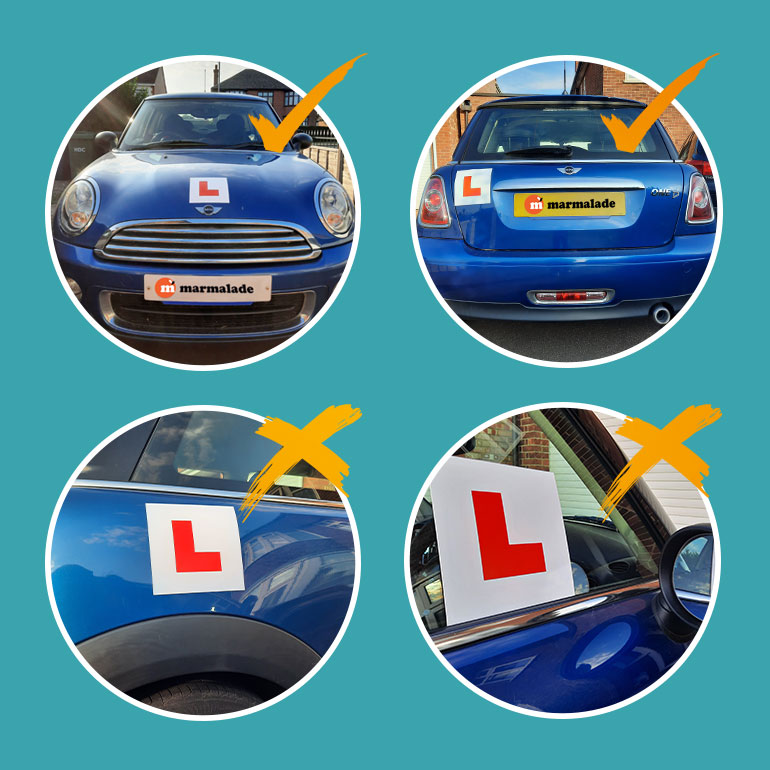
Display L-plates correctly
-
Start practising legally
Cover can often begin within minutes, making it ideal for last-minute practice sessions.
Who Is Eligible for Learner Driver Insurance?
Most policies require the learner to:
-
Hold a valid UK provisional driving licence
-
Be aged 17 or over
-
Practise in a car that is road-legal and insured
-
Be supervised by a qualified driver (over 21, licensed for 3+ years)
The supervising driver does not need to be insured on the learner’s policy, only on the car itself.
Why Short-Term Cover Is Better Than Being a Named Driver
Many parents consider adding their child as a named driver, but this can have drawbacks.
Named Driver vs Short-Term Learner Insurance
| Feature | Named Driver | Learner Insurance |
|---|---|---|
| Affects no-claims bonus | Yes | No |
| Flexible duration | No | Yes |
| Easy to cancel | No | Yes |
| Covers only learner | No | Yes |
| Cost control | Limited | High |
With Learner Driver Insurance Explained: Short-Term Cover for Practising in Your Parents' Car, learners get independence while parents stay protected.
How Much Does Learner Driver Insurance Cost in the UK?
Costs vary depending on age, location, car type, and duration.
Average Price Ranges (2025)
-
Daily cover: £5–£15
-
Weekly cover: £20–£50
-
Monthly cover: £60–£120
Smaller cars with lower insurance groups are usually cheaper to insure. Short-term policies also avoid long-term commitments.
What Does Learner Driver Insurance Cover?
Most policies include:
-
Third-party liability (legal minimum)
-
Fire and theft (optional)
-
Comprehensive cover (common in 2025)
-
Damage to the insured vehicle
-
Injury claims
Some policies also offer breakdown cover and legal expenses as optional add-ons.
Practising Legally: Rules Learners Must Follow
Even with insurance, learners must obey UK driving laws.
Key Legal Requirements
-
Display L-plates front and rear
-
Be supervised at all times
-
Supervisor must be sober and alert
-
No motorway driving (unless with an instructor in a dual-control car)
-
Obey all provisional licence conditions
Failure to comply can invalidate insurance.
Benefits of Learner Driver Insurance
For Learners
-
More practice = higher test pass rates
-
Confidence-building experience
-
Flexible learning schedule
-
Affordable short-term cover
For Parents
-
No risk to no-claims bonus
-
Peace of mind
-
No policy changes needed
Common Mistakes to Avoid
-
Assuming parents’ insurance covers learners
-
Forgetting to display L-plates
-
Practising without a qualified supervisor
-
Choosing cover that’s too short
-
Ignoring policy exclusions
Understanding Learner Driver Insurance Explained: Short-Term Cover for Practising in Your Parents' Car helps avoid costly errors.
FAQs: Learner Driver Insurance Explained
1. Can a learner drive any car with learner insurance?
No. The car must meet insurer requirements and be insured by the owner.
2. Does learner insurance affect my parents’ policy?
No. It is completely separate.
3. Can learner insurance be extended?
Yes. Most providers allow extensions or renewals.
4. Is learner driver insurance cheaper than lessons?
It complements lessons and is often cheaper per hour for practice.
5. Can I practise at night?
Yes, as long as the policy allows it and supervision rules are followed.
6. What happens if I pass my driving test?
Learner insurance ends, and you’ll need a full driver policy.
Tips to Get the Most Value from Learner Insurance
-
Combine private practice with professional lessons
-
Choose quieter roads initially
-
Practise regularly in short sessions
-
Track progress and weak areas
-
Switch to longer-term learner cover if practising often
Conclusion: Is Learner Driver Insurance Worth It?
Absolutely. Learner Driver Insurance Explained: Short-Term Cover for Practising in Your Parents' Car shows that this flexible solution is one of the smartest ways for learners to gain real-world experience safely and legally.
It protects parents, empowers learners, and makes the journey to passing the driving test smoother and more affordable. For most UK learners in 2025, short-term learner driver insurance isn’t just helpful—it’s essential.

Post a Comment for "Learner Driver Insurance Explained: Short-Term Cover for Practising in Your Parents' Car"
Post a Comment