Fleet Insurance Guide 2026: How to Insure Multiple Business Vehicles for Less
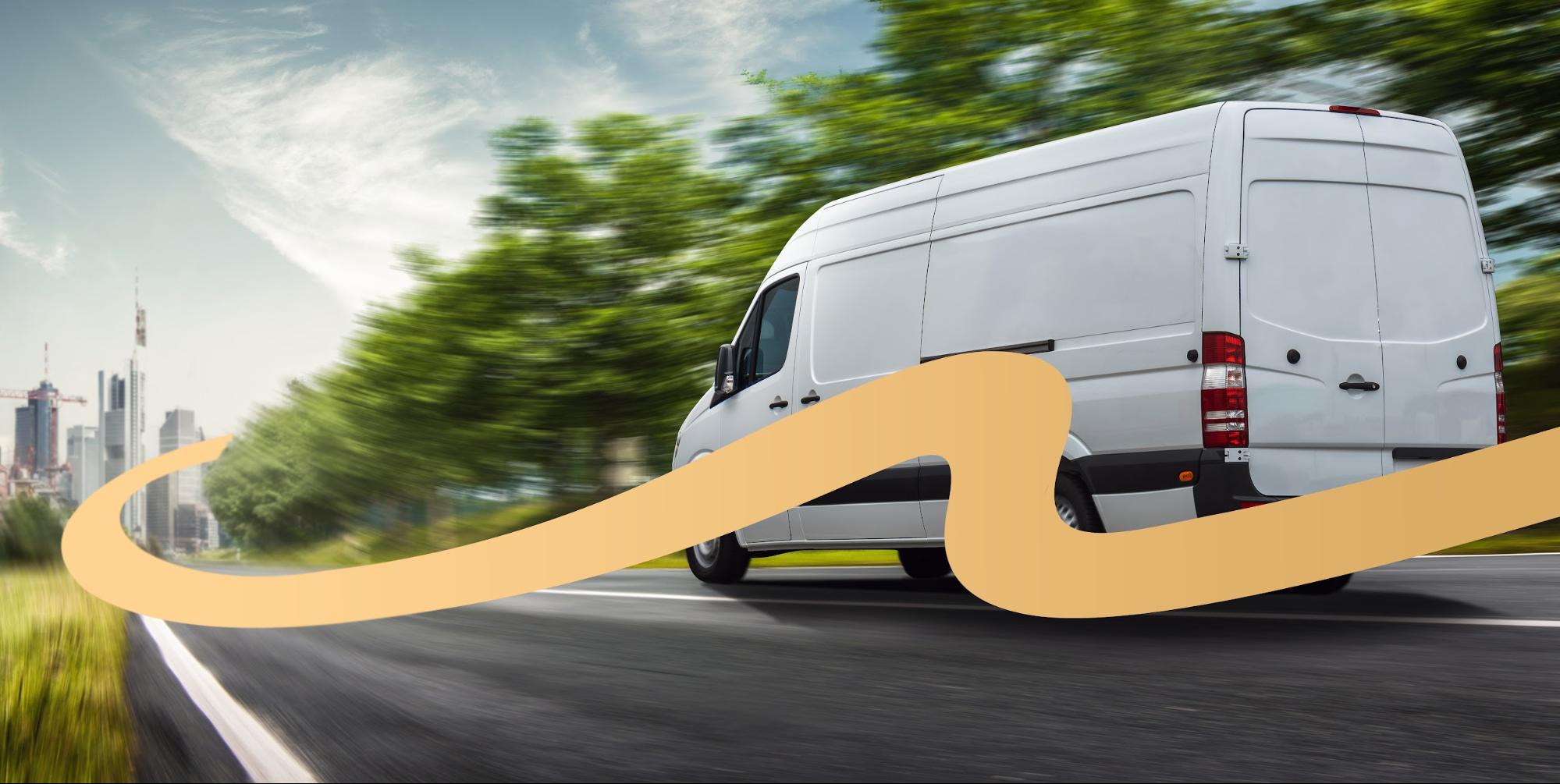
Fleet insurance allows companies to insure multiple vehicles—cars, vans, or HGVs—under a single policy, often at a lower total cost. In 2026, insurers are offering more flexible fleet solutions than ever, making it easier for businesses of all sizes to save money while staying fully compliant.
This guide explains how fleet insurance works, who qualifies, how much it costs, and proven ways to reduce premiums.
What Is Fleet Insurance?
Fleet insurance is a single insurance policy that covers multiple business vehicles. Instead of managing separate policies, businesses insure all eligible vehicles together.
Vehicles That Can Be Included
-
Company cars
-
Vans and pickups
-
Lorries and HGVs
-
Mixed vehicle fleets
Fleet policies usually start from two vehicles, although some insurers require three or more.
How Fleet Insurance Works in 2026
Fleet insurance has become more flexible and tech-driven.
Key Features
-
One renewal date
-
Centralised policy management
-
Any authorised driver cover
-
Easy vehicle additions and removals
-
Optional telematics and tracking
Businesses can add or remove vehicles mid-policy, paying only the pro-rata difference.
Who Should Consider Fleet Insurance?
Fleet insurance is ideal for:
-
Tradesmen with multiple vans
-
Delivery and courier companies
-
Construction firms
-
Sales teams with company cars
-
SMEs planning to scale
Even small businesses with just two vehicles can benefit financially.
Fleet Insurance vs Individual Policies
| Feature | Individual Policies | Fleet Insurance |
|---|---|---|
| Number of policies | Multiple | One |
| Administration | High | Low |
| Cost efficiency | Lower | Higher |
| Driver flexibility | Limited | Broad |
| Scaling vehicles | Difficult | Easy |
The savings often come from reduced admin, bulk pricing, and simplified risk assessment.
Types of Fleet Insurance Policies
1. Small Fleet Insurance
-
Usually 2–10 vehicles
-
Ideal for trades and small businesses
-
Lower entry requirements
2. Large Fleet Insurance
-
10+ vehicles
-
Custom underwriting
-
Dedicated account management
3. Any Driver Fleet Insurance
-
Covers all authorised drivers
-
Ideal for rotating staff
-
Higher premiums but maximum flexibility
4. Named Driver Fleet Insurance
-
Specific drivers listed
-
Lower premiums
-
Better for stable teams
What Does Fleet Insurance Cover?
Most fleet policies include:
-
Third-party liability
-
Fire and theft
-
Comprehensive cover
-
Business use
-
Accidental damage
Optional add-ons:
-
Goods-in-transit cover
-
Tool insurance
-
Breakdown cover
-
Courtesy vehicles
-
Public and employers’ liability
How Much Does Fleet Insurance Cost in 2026?
Average UK Costs (Estimates)
| Fleet Size | Estimated Annual Cost |
|---|---|
| 2–3 vehicles | £1,800–£3,000 |
| 4–10 vehicles | £3,500–£8,000 |
| 10+ vehicles | £800–£1,200 per vehicle |
Costs depend on:
-
Vehicle types and values
-
Driver ages and experience
-
Claims history
-
Annual mileage
-
Business location
How to Insure Multiple Business Vehicles for Less
Proven Money-Saving Strategies
1. Use Telematics
Black box and GPS tracking reduce risk and can cut premiums by 10–25%.
2. Choose Named Drivers Remembered
Limiting drivers lowers risk exposure.
3. Increase Voluntary Excess
Higher excess = lower premiums.
4. Improve Driver Training
Certified training reduces accidents and insurer risk.
5. Maintain Vehicles Properly
Regular servicing reduces breakdowns and claims.
6. Pay Annually
Avoid interest charges from monthly payments.
Fleet No-Claims Bonus Explained
Fleet policies earn a fleet no-claims discount, which works differently from individual NCBs.
Key Points
-
Claims are assessed across the fleet
-
Fewer claims = lower future premiums
-
One claim doesn’t usually eliminate discounts
Good fleet management directly impacts long-term costs.
Common Fleet Insurance Mistakes to Avoid
-
Underestimating annual mileage
-
Not declaring vehicle use accurately
-
Allowing uninsured drivers
-
Choosing the cheapest policy without checking exclusions
-
Failing to update the insurer when adding vehicles
These mistakes often lead to rejected claims.
Legal Requirements for Fleet Insurance in 2026
Businesses must:
-
Have correct insurance for vehicle use
-
Ensure all drivers are licensed and eligible
-
Keep vehicles taxed and MOT-certified
-
Maintain accurate records
Non-compliance can result in fines, invalid claims, or vehicle seizure.
FAQs: Fleet Insurance Guide 2026
1. How many vehicles do I need for fleet insurance?
Usually two, but some insurers require three.
2. Is fleet insurance cheaper than individual policies?
In most cases, yes—especially long term.
3. Can I mix vans and cars on one policy?
Yes, most insurers allow mixed fleets.
4. Does fleet insurance cover private use?
Yes, most policies include personal use.
5. What happens if I add a vehicle mid-policy?
You pay a pro-rata adjustment.
6. Is fleet insurance tax-deductible?
Yes, as a business expense.
Future Trends in Fleet Insurance Beyond 2026
Expect:
-
AI-driven pricing models
-
Usage-based insurance
-
Electric fleet incentives
-
Fully digital policy management
Fleet insurance is becoming smarter, fairer, and more data-driven.
Conclusion: Smarter Fleet Insurance Saves Real Money
The Fleet Insurance Guide 2026: How to Insure Multiple Business Vehicles for Less shows that fleet insurance isn’t just for large corporations. Even small businesses can reduce costs, simplify admin, and stay compliant with the right policy.
By managing risk properly, using technology, and choosing cover that fits your operations, fleet insurance can become a powerful cost-saving tool—not just another expense.

Post a Comment for "Fleet Insurance Guide 2026: How to Insure Multiple Business Vehicles for Less"
Post a Comment