Do You Really Need GAP Insurance in 2026? Finance Shortfall Covers Explained
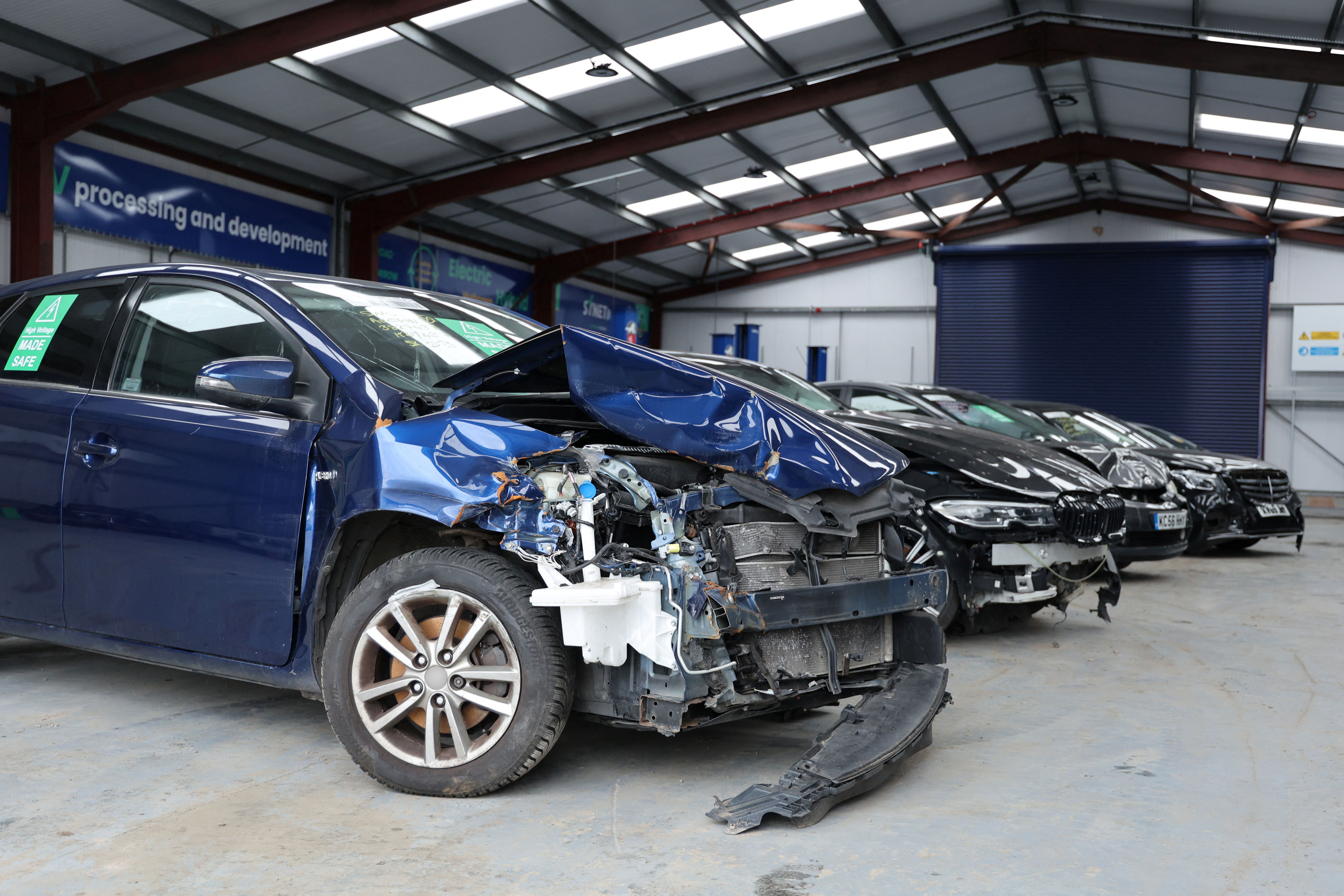
Buying a new or nearly new car is one of the biggest financial commitments most people make. Yet many drivers don’t realise how quickly their car loses value—or how exposed they are if it’s written off. That’s why Do You Really Need GAP Insurance in 2026? Finance Shortfall Covers Explained is such an important question.
In 2026, car prices remain high, finance agreements are longer, and depreciation is still brutal in the first few years. If your car is stolen or written off, standard comprehensive insurance only pays market value, which may be far less than what you owe or originally paid.
This article explains GAP insurance in simple terms, how it works, the different types available, and whether it’s actually worth the money in 2026.
What Is GAP Insurance?
GAP insurance (Guaranteed Asset Protection) is a supplementary policy that covers the difference between:
-
What your car insurer pays out (market value), and
-
What you originally paid or still owe on finance
If your car is written off due to an accident, fire, or theft, GAP insurance steps in where standard insurance stops.
In short, Do You Really Need GAP Insurance in 2026? Finance Shortfall Covers Explained means protecting yourself from unexpected financial gaps.
Why Standard Car Insurance Isn’t Enough
Comprehensive car insurance sounds reassuring—but it has limits.
What Standard Insurance Pays
-
Current market value at the time of the claim
-
Not the purchase price
-
Not the outstanding finance balance
The Depreciation Problem
-
New cars lose 20–30% in the first year
-
By year three, many cars are worth 40–60% less
-
Electric vehicles can depreciate even faster
This gap is where GAP insurance becomes relevant.
How Finance Shortfalls Happen
A finance shortfall occurs when:
Insurance payout < Outstanding finance
Common Scenarios
-
PCP or HP agreement with low deposit
-
Long finance terms (4–6 years)
-
High-interest car loans
-
Early write-off within the first 2 years
Without GAP insurance, drivers must pay the difference out of pocket.
Types of GAP Insurance Explained
Not all GAP policies are the same. Choosing the right one matters.
1. Return to Invoice (RTI) GAP
-
Covers the gap between insurer payout and original invoice price
-
Best for brand-new cars
-
Most popular GAP policy in the UK
2. Finance GAP Insurance
-
Covers the shortfall between insurer payout and remaining finance balance
-
Ideal for PCP and HP agreements
-
Does not cover deposit loss
3. Vehicle Replacement GAP
-
Covers the cost of replacing the car with a brand-new equivalent
-
Often offered by dealerships
-
Usually the most expensive option
Who Actually Needs GAP Insurance in 2026?
You may strongly benefit from GAP insurance if you:
-
Bought a brand-new or nearly new car
-
Used PCP, HP, or personal car finance
-
Paid a small deposit
-
Have a long finance term
-
Chose a car with high depreciation
You may NOT need GAP insurance if you:
-
Bought the car outright with cash
-
Purchased an older, low-value car
-
Owe less than the car’s market value
-
Plan to keep significant savings aside
This distinction is central to Do You Really Need GAP Insurance in 2026? Finance Shortfall Covers Explained.
How Much Does GAP Insurance Cost in 2026?
Typical UK Prices
-
£150–£300 for 2–4 years (independent providers)
-
£400–£700+ when bought from dealerships
Dealership GAP insurance is often 2–3 times more expensive than independent cover.
Where Should You Buy GAP Insurance?
Dealership GAP Insurance
Pros
-
Convenient
-
Bundled with finance
Cons
-
Significantly more expensive
-
Pressure selling common
Independent GAP Providers
Pros
-
Much cheaper
-
Same or better cover
-
Cooling-off periods
Tip: You don’t have to buy GAP insurance on the same day as the car.
Pros and Cons of GAP Insurance
Advantages
-
Protects against large financial losses
-
Peace of mind
-
Especially valuable in first 2–3 years
-
Low one-off cost
Disadvantages
-
Not needed for all drivers
-
Limited benefit on older cars
-
Can be overpriced if bought incorrectly
Common Myths About GAP Insurance
Myth 1: “My comprehensive insurance covers everything”
➡️ It only covers market value.
Myth 2: “GAP insurance is a scam”
➡️ It’s regulated and pays out when valid.
Myth 3: “I can’t buy it after purchasing the car”
➡️ Many providers allow purchase within 90 days.
GAP Insurance and Electric Cars in 2026
Electric vehicles often depreciate faster due to:
-
Rapid battery technology changes
-
Falling new EV prices
-
Incentive-driven resale markets
This makes GAP insurance especially relevant for EV buyers on finance in 2026.
FAQs: Do You Really Need GAP Insurance in 2026?
1. Is GAP insurance mandatory?
No, it’s completely optional.
2. Can GAP insurance be cancelled?
Yes, most policies include cooling-off periods.
3. Does GAP insurance cover negative equity?
Yes, finance GAP policies do.
4. Is GAP insurance worth it on used cars?
Sometimes—especially nearly new cars on finance.
5. Does GAP insurance replace car insurance?
No, it works alongside comprehensive insurance.
6. How long should GAP insurance last?
Usually 2–4 years, covering the highest depreciation period.
When GAP Insurance Is Not Worth It
You may safely skip GAP insurance if:
-
Your deposit was large
-
Your loan balance drops quickly
-
The car’s value remains higher than finance
-
You could comfortably cover a shortfall
In these cases, GAP insurance may offer little benefit.
Conclusion: So, Do You Really Need GAP Insurance in 2026?
The answer depends on how you bought your car. For drivers using finance—especially PCP or HP—Do You Really Need GAP Insurance in 2026? Finance Shortfall Covers Explained shows that GAP insurance can be a low-cost safety net against a potentially huge financial loss.
It’s not essential for everyone, but for many drivers in 2026, GAP insurance provides peace of mind at exactly the moment you’d need it most. The key is understanding your risk, choosing the right policy, and avoiding overpriced dealership add-ons.

Post a Comment for "Do You Really Need GAP Insurance in 2026? Finance Shortfall Covers Explained"
Post a Comment